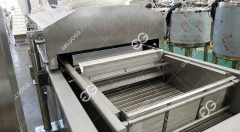
Continuous frying is a highly automated frying process widely used in the production of fried foods such as french fries, potato chips, and onions. Compared to traditional intermittent frying, continuous frying offers advantages such as higher production efficiency, more stable oil temperature, and more consistent product quality. So, what is the process of continuous frying?
Continuous Frying Process Flow:
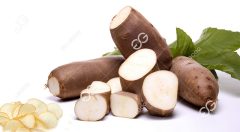
Raw material pretreatment: Before frying, raw materials need to be pretreated, including washing, peeling, cutting, blanching, and draining. Different materials require different pretreatment processes.
Feeding: The materials are evenly fed into the continuous fryer.
Frying: After entering the mesin penggorengan kontinu, the materials are automatically fried at the set oil temperature and frying time. The product is heated evenly, resulting in consistent frying results.
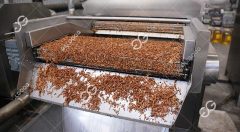
Oil removal: After frying, the product is automatically discharged and enters an oil remover to remove excess surface grease.
Features of continuous frying technology:
High automation, labor savings: Continuous frying technology achieves fully automated continuous processing from feeding, frying, discharging to oil removal, reducing manual labor intensity.
Stable oil temperature, consistent product quality: A precise temperature control system maintains a constant oil temperature, ensuring consistent color and taste of the food, making it more suitable for the high-end market.
Oil and energy saving, oil recycling: Continuous fryers are typically equipped with an oil filtration system that continuously filters oil residue during production, extending the lifespan of the edible oil.
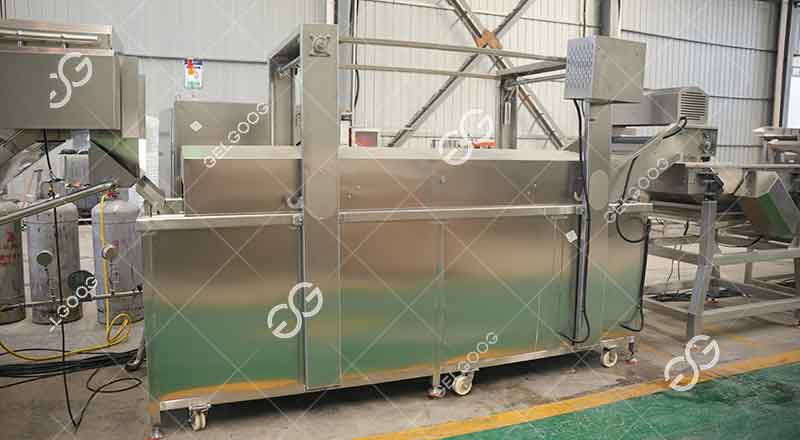
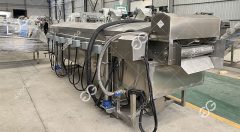
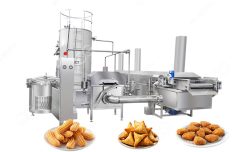
The core equipment in continuous frying is the continuous fryer.
This equipment generally consists of an oil tank, heating system, conveying system, filtration system, temperature control system, and lifting device.
Depending on the heating method, it can be divided into various models such as electric heating and gas heating.