
In the modern food processing industry, vegetable washers have become indispensable equipment for primary vegetable processing. However, many people wonder: Do vegetable washers really work? Can they truly clean vegetables? This article will analyze the cleaning principles, equipment types, application results, and precautions.
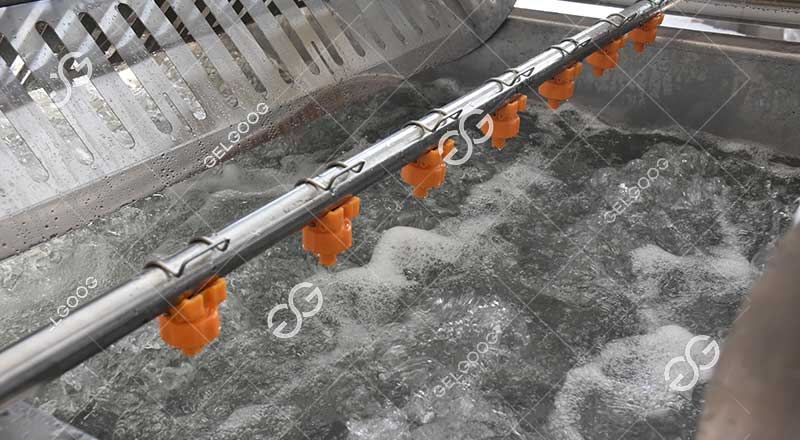
Vegetable washers go beyond simply “rinsing” with water; instead, they combine multiple cleaning technologies to achieve efficient and thorough cleaning. Common cleaning principles include:
- Bubble tumbling cleaning: Air is bubbled into water to create dense bubbles, generating a tumbling force that gently yet effectively removes dirt and impurities from the surface of vegetables. This is particularly effective for leafy vegetables.
- High-pressure spray cleaning: High-pressure water jets rinse the surface of vegetables from multiple angles, effectively removing contaminants such as dirt and residual pesticides.
- Brush cleaning: Some machines are equipped with rotating brushes for scrubbing vegetables with rough or difficult-to-clean surfaces, such as potatoes and carrots.
Are vegetable washers really useful?
The answer is yes, they are very useful. Their main advantages include:
High efficiency: Compared to manual washing, these machines can process hundreds of kilograms or even tons of vegetables at a time, significantly improving production efficiency.
Uniform cleaning: Multi-angle and multi-mode cleaning ensures that every part of the vegetables is cleaned.
Water and energy conservation: Many machines are equipped with water recycling systems, saving water and reducing operating costs.
Can vegetable washers really clean vegetables?
While they can’t be said to be 100% “bacteria-free and dust-free,” modern industrial washers can effectively remove most visible dirt and pesticide residues. They also have a significant microbial inhibitory effect, especially when used with ozone or ultrasonic systems.
It’s important to note that “clean” doesn’t mean “completely sterile.” For products with particularly high hygiene standards (such as ready-to-eat salads and export vegetables), further processing such as disinfection, cooling, and dehydration is required after washing.
Furthermore, cleaning results are also affected by many other factors, such as:
Whether the equipment is suitable: Different types of vegetables require different types of cleaning machines, and leafy vegetables, fruits, and root vegetables require different cleaning methods.
Whether the cleaning process settings are appropriate: Parameters such as cleaning time, bubble intensity, and water pressure all affect the final cleaning results.