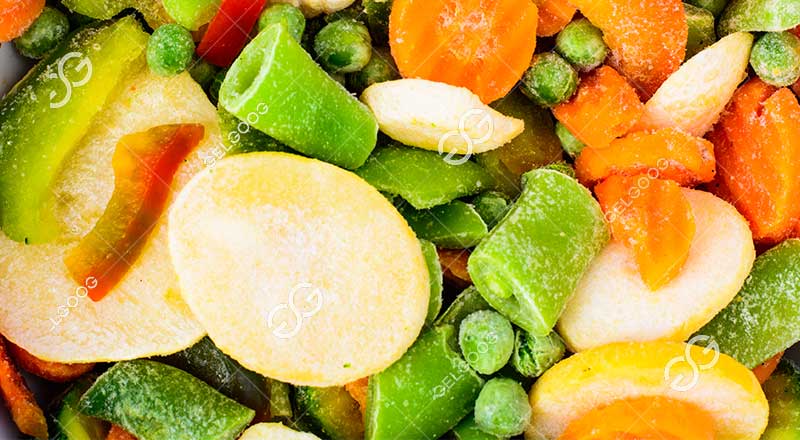
Frozen vegetables are increasingly popular among consumers due to their long shelf life, minimal nutrient loss, and ease of use. Mixed frozen vegetables are particularly popular, widely used in various home and restaurant settings, including stir-fries, soups, and fried rice. So, How are frozen mixed vegetables made? This article will explain the factory-based production process.
1. Raw Material Selection: A Diverse Variety of High-Quality Vegetables
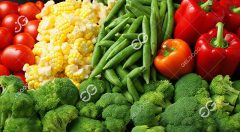
Frozen mixed vegetables typically consist of a variety of vegetables, with common combinations including diced carrots, green beans, corn kernels, peas, cauliflower, and green peppers. The harvest time, maturity, and variety of each vegetable influence the quality of the final product. Therefore, our factory implements strict control during the raw material procurement stage, prioritizing fresh, pest-free, and appropriately mature vegetables.
2.Pre-processing: Classification and Quality Assurance
Different types of vegetables require different pre-processing methods due to their varying structure, texture, and moisture content. However, these steps generally include the following:
① Cleaning
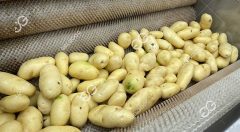
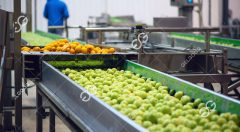
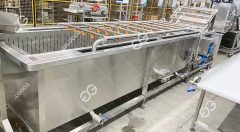
Use air bubble washers, water sprayers, and other equipment to thoroughly remove dirt and impurities from the surface of the vegetables. This step is crucial for final hygiene and safety.
② Cutting
Cut the vegetables into uniform shapes, such as dices, strips, or slices, to ensure even mixing and consistency during the subsequent freezing process. Automatic cutting machines provide efficient and standardized cutting.
③ Blanching
Most vegetables require blanching to inactivate enzymes, inhibit microbial activity, prevent discoloration, and soften the texture for easier freezing. Blanching time and temperature are precisely controlled based on the type of vegetable.
④ Cooling
After blanching, quickly cool the vegetables in cold water or with cool air to avoid overheating, prevent nutrient loss, and prepare for subsequent blending and quick freezing.
3. Mixing: Precise Proportions and Optimal Color Matching
After pre-processing, various vegetables enter the mixer for scientific blending. Based on product standards and market demand, the factory weighs and blends them in a fixed ratio. This precise blend not only ensures a balanced taste but also makes the packaged product more visually appealing.
4. Quick Freezing: Locking in Freshness and Nutrients
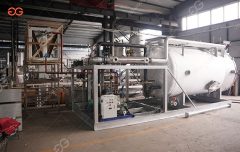
After mixing, the vegetables are quickly transferred to a quick-freezing facility. In the industry, a commonly used method is the IQF (Instant Quick Freezer), which allows for individual freezing, preventing the vegetables from sticking together. The freezing temperature is typically below -30°C, and the freezing time is typically 5-10 minutes. Rapid freezing effectively preserves the color, flavor, and nutritional content of the vegetables.
5. Packaging and Storage: Convenient Transportation, Extended Shelf Life
After freezing, the mixed vegetables are metered and packaged in an automatic packaging machine using food-grade, low-temperature-resistant plastic bags. The packaging process must be performed at a low temperature to prevent the vegetables from warming up.
After packaging, the products are stored in cold storage at temperatures below -18°C, awaiting shipment. Temperature control is essential throughout the entire cold chain, from transportation to sales, to ensure consistent product quality.